Tree Pruning Services: A Seasonal Guide for Vero Beach Homeowners
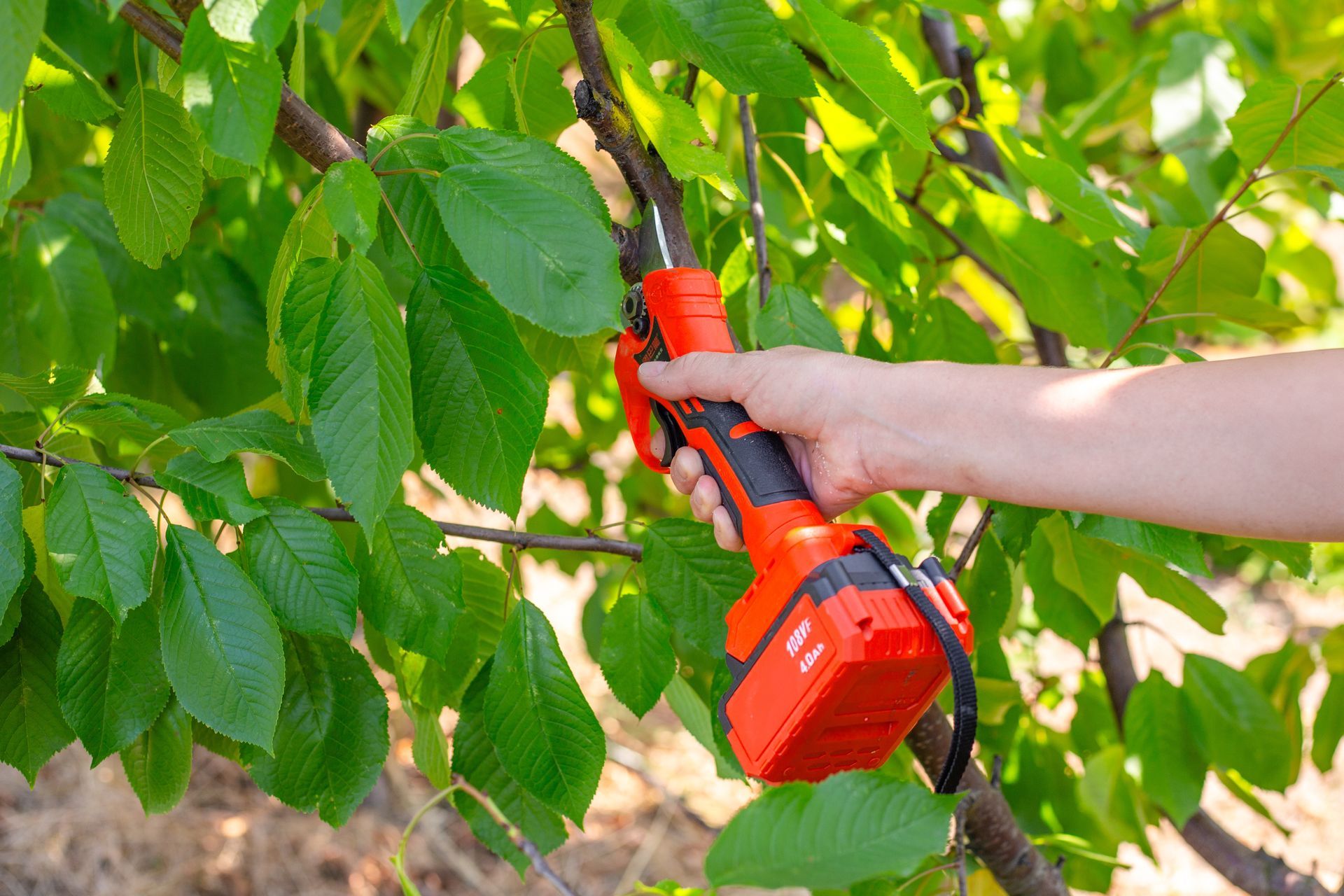
Proper tree pruning services can protect your Vero Beach, FL, property, extend the life of your trees, and reduce storm damage risk before hurricane season arrives. Living in Indian River County means your trees face humid subtropical heat, coastal wind exposure, and a long Atlantic hurricane season running from June through November. Understanding when and how to prune is one of the most practical steps a property owner here can take.
Why Tree Pruning Matters for Vero Beach Properties
Tree pruning is a health and safety investment, not just a cosmetic one. Vero Beach sits along Florida's Treasure Coast, where properties regularly face tropical storm conditions and salt-laden coastal winds. Overgrown or structurally weak trees may seem harmless on a calm day but can become serious hazards when a storm makes landfall.
Regular pruning removes dead wood, opens the canopy for better airflow, and reduces a tree's overall wind resistance. Trees with thinned canopies flex and shed wind during strong gusts rather than catching it like a sail.
How Pruning Reduces Storm Risk
Structural pruning before hurricane season targets the weak points most likely to fail under pressure. Heavy, overextended limbs can bow and snap in strong winds. Branches that cross and rub each other create wounds where decay and insects can enter. Addressing these problem areas reduces the likelihood of limb failure when storms roll through Indian River County.
The Health Benefits Beyond Storm Prep
Good pruning allows sunlight and air to reach interior branches, discouraging the fungal growth that thrives in Florida's warm, humid climate. Removing diseased or decaying wood early can prevent that decay from spreading deeper into the trunk, potentially saving a tree that might otherwise need full removal.
Florida's Pruning Calendar: When to Prune by Season
Timing matters for tree pruning services in Vero Beach, FL. Florida's growing season is nearly year-round with no true dormant window, but each season carries different risks and advantages.
Winter and Early Spring (December Through March)
For hardwood trees like live oaks, December through March is generally the best pruning window. Pest pressure is lower, and freshly cut wood is less likely to attract beetles that spread oak wilt. Late winter cuts also allow wounds to begin closing as spring growth kicks in.
Spring Before Hurricane Season (March Through May)
March through May is the key window for pre-storm structural pruning and deadwood removal. Completing this work before the Atlantic hurricane season officially begins June 1 gives trees time to recover before heavy weather arrives.
Palms vs. Hardwoods: Different Rules Apply
Palms can technically be pruned any time of year, but late spring tends to support the best recovery. The priority with palms is removing only fully dead or hanging fronds and seed pods. Removing too many green fronds weakens the tree, as those fronds supply essential nutrients. Hardwoods like live oaks benefit from precise seasonal timing to minimize disease risk and support strong wound closure.
Late Summer and Fall
Late summer pruning should focus on safety rather than routine maintenance. Significant cuts in July and August can stress trees in the heat. If a branch is clearly hazardous or storm-damaged, address it promptly regardless of season. Safety pruning is always appropriate.
Signs Your Tree May Be Overdue for Pruning
Watch for these common warning signs on your Vero Beach property:
- Dead or bare branches that lack leaves during the growing season or show peeling bark.
- Branches that sag toward your roof, gutters, driveway, or sidewalk.
- Crossing or rubbing limbs that create wounds where pests and disease can enter.
- A canopy so dense it blocks sunlight from reaching lower branches or surrounding plants.
- Visible fungal growth, cracked bark, or an unusual lean in the trunk.
Any of these signs can indicate a tree is under stress and more vulnerable when the next tropical system moves through. Scheduling tree pruning services at the first sign of trouble is always better than waiting for a storm to reveal the problem.
What to Expect From Professional Tree Pruning Services
A trained crew can identify which branches pose the greatest risk, make cuts at the correct angles to support wound closure, and thin the crown while keeping the tree's structure balanced. Attempting large-scale pruning without the right equipment or technique can leave a tree worse off than before.
Frequently Asked Questions
How Much Does Tree Pruning Cost in Vero Beach, FL?
Cost depends on tree size, species, and access. Perez Tree Service provides free, on-site estimates so you get an accurate price before any work begins.
Do I Need a Permit to Prune Trees in Vero Beach or Indian River County?
Routine pruning usually doesn't require a permit, but severe trimming may fall under local tree protection ordinances. Confirm with your local planning department first.
How Often Should I Have My Trees Pruned?
Most Vero Beach trees benefit from professional pruning every one to three years, with mature hardwoods on the longer end of that range.
Get Expert Tree Pruning Services Serving Vero Beach, FL
Professional pruning is one of the best steps you can take to protect your property before hurricane season. Perez Tree Service serves Vero Beach and the surrounding Treasure Coast area with tree trimming and pruning services designed to keep your trees healthy and your property safer. Call (772) 713-9532 today to request a free estimate, or contact our team online to schedule an appointment.